Buy oxg.eu ?
We are moving the project
oxg.eu .
Are you interested in purchasing the domain
oxg.eu ?
domain@kv-gmbh.de · 0541-91531010
Buy oxg.eu ?
How are intermenstrual bleeding similar to menstrual bleeding?
Intermenstrual bleeding and menstrual bleeding are similar in that they both involve the shedding of the uterine lining. Both types of bleeding can occur as a result of hormonal changes in the body. Additionally, both intermenstrual and menstrual bleeding can be accompanied by similar symptoms such as cramping and bloating. However, intermenstrual bleeding occurs between regular menstrual periods, while menstrual bleeding occurs as part of the regular menstrual cycle. **
Help, brown bleeding?
Brown bleeding can be a sign of old blood that has taken longer to leave the body. It can occur at the beginning or end of a period and is usually not a cause for concern. However, if the brown bleeding is accompanied by other symptoms such as severe pain, unusual odor, or lasts for an extended period of time, it is important to consult a healthcare professional to rule out any underlying issues. **


Similar search terms for Bleeding
Top-Angebote
Products related to Bleeding:


-
Is there also extreme hiking camping?
Yes, there is a form of extreme hiking camping known as backpacking or wilderness camping. This type of camping involves carrying all necessary gear and supplies on your back and hiking long distances to remote and rugged locations. Backpacking often requires a higher level of physical fitness, outdoor skills, and self-sufficiency compared to traditional camping. It can be a challenging and rewarding way to experience the wilderness in a more immersive and adventurous way. **
-
What is the difference between menstrual bleeding and ovulation bleeding?
Menstrual bleeding occurs at the end of the menstrual cycle and is the shedding of the uterine lining when a fertilized egg has not implanted. It typically lasts for 3-7 days. Ovulation bleeding, on the other hand, occurs during the middle of the menstrual cycle when an egg is released from the ovary. This bleeding is usually light and lasts for a shorter duration, often just a day or two. Ovulation bleeding is thought to be caused by the sudden drop in estrogen levels that occurs during ovulation. **
-
What is an intermenstrual bleeding one week before the withdrawal bleeding?
Intermenstrual bleeding, also known as spotting, is bleeding that occurs between periods. If it occurs one week before the expected withdrawal bleeding, it could be a sign of hormonal fluctuations or irregularities. This could be due to factors such as stress, changes in birth control, or underlying medical conditions. It's important to track these changes and consult with a healthcare provider to rule out any potential concerns and ensure overall reproductive health. **
-
Is it implantation bleeding or breakthrough bleeding while taking the pill?
Implantation bleeding occurs when a fertilized egg implants itself into the uterine lining, typically around 6-12 days after ovulation. It is usually lighter and shorter in duration than a regular period. Breakthrough bleeding, on the other hand, can occur while taking hormonal birth control pills and is often due to fluctuations in hormone levels. It can happen at any point during the menstrual cycle and is not a sign of pregnancy. If someone is experiencing bleeding and is unsure of the cause, it is best to consult with a healthcare provider for further evaluation. **


What is implantation bleeding?
Implantation bleeding is light spotting or bleeding that occurs when a fertilized egg attaches itself to the lining of the uterus. This typically happens around 6-12 days after conception and is one of the earliest signs of pregnancy. Implantation bleeding is usually lighter in flow and shorter in duration compared to a regular menstrual period. It is often accompanied by other early pregnancy symptoms such as cramping, breast tenderness, and fatigue. **
Are intermenstrual bleeding concerning?
Intermenstrual bleeding, also known as spotting, can be concerning if it is persistent, heavy, or accompanied by other symptoms such as pain or fever. It can be a sign of various underlying health issues such as hormonal imbalances, infections, or even more serious conditions like polyps or fibroids. It is important to consult a healthcare provider if you experience intermenstrual bleeding to determine the cause and appropriate treatment. **
Top-Angebote
Products related to Bleeding:
-
How are intermenstrual bleeding similar to menstrual bleeding?
Intermenstrual bleeding and menstrual bleeding are similar in that they both involve the shedding of the uterine lining. Both types of bleeding can occur as a result of hormonal changes in the body. Additionally, both intermenstrual and menstrual bleeding can be accompanied by similar symptoms such as cramping and bloating. However, intermenstrual bleeding occurs between regular menstrual periods, while menstrual bleeding occurs as part of the regular menstrual cycle. **
-
Help, brown bleeding?
Brown bleeding can be a sign of old blood that has taken longer to leave the body. It can occur at the beginning or end of a period and is usually not a cause for concern. However, if the brown bleeding is accompanied by other symptoms such as severe pain, unusual odor, or lasts for an extended period of time, it is important to consult a healthcare professional to rule out any underlying issues. **
-
Is there also extreme hiking camping?
Yes, there is a form of extreme hiking camping known as backpacking or wilderness camping. This type of camping involves carrying all necessary gear and supplies on your back and hiking long distances to remote and rugged locations. Backpacking often requires a higher level of physical fitness, outdoor skills, and self-sufficiency compared to traditional camping. It can be a challenging and rewarding way to experience the wilderness in a more immersive and adventurous way. **
-
What is the difference between menstrual bleeding and ovulation bleeding?
Menstrual bleeding occurs at the end of the menstrual cycle and is the shedding of the uterine lining when a fertilized egg has not implanted. It typically lasts for 3-7 days. Ovulation bleeding, on the other hand, occurs during the middle of the menstrual cycle when an egg is released from the ovary. This bleeding is usually light and lasts for a shorter duration, often just a day or two. Ovulation bleeding is thought to be caused by the sudden drop in estrogen levels that occurs during ovulation. **
Similar search terms for Bleeding
-
Sea4 Gum Mouthwash Improves Inflammation and Bleeding 500 mlHealth and Beauty Oral Care Sea4 Gum Mouthwash Improves Inflammation and Bleeding 500 ml Helps prevent gingivitis. It helps reduce gum inflammation and helps prevent bleeding. In cases where it is necessary to significantly reduce bacterial plaque.8,35 £*Shipping: 3,99 £Secure redirect to the provider
-
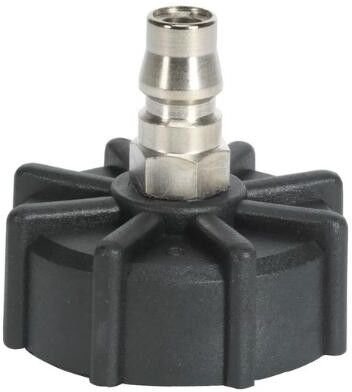
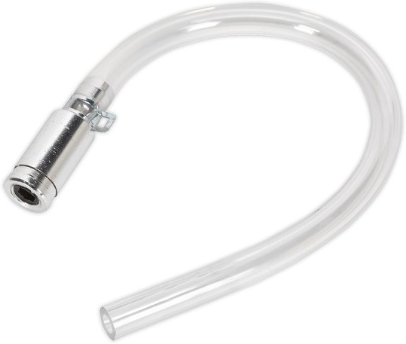
Tools, Home & Hobby Pneumatic Air Pressure Bleeder Tool Kit, Professional Brake Bleeding System For Garage Workshop Mechanics Pneumatic Air Pressure Bleeder Tool Kit, Professional Brake Bleeding System For Garage Workshop MechanicsStreamline your brake maintenance with this pneumatic air pressure bleeder tool kit the ultimate solution for garage workshop mechanics and serious DIY enthusiasts. Designed for efficiency and precision, this system eliminates air bubbles from brake...159,97 $*Shipping: 0,00 $Secure redirect to the provider
-
What is an intermenstrual bleeding one week before the withdrawal bleeding?
Intermenstrual bleeding, also known as spotting, is bleeding that occurs between periods. If it occurs one week before the expected withdrawal bleeding, it could be a sign of hormonal fluctuations or irregularities. This could be due to factors such as stress, changes in birth control, or underlying medical conditions. It's important to track these changes and consult with a healthcare provider to rule out any potential concerns and ensure overall reproductive health. **
-
Is it implantation bleeding or breakthrough bleeding while taking the pill?
Implantation bleeding occurs when a fertilized egg implants itself into the uterine lining, typically around 6-12 days after ovulation. It is usually lighter and shorter in duration than a regular period. Breakthrough bleeding, on the other hand, can occur while taking hormonal birth control pills and is often due to fluctuations in hormone levels. It can happen at any point during the menstrual cycle and is not a sign of pregnancy. If someone is experiencing bleeding and is unsure of the cause, it is best to consult with a healthcare provider for further evaluation. **
-
What is implantation bleeding?
Implantation bleeding is light spotting or bleeding that occurs when a fertilized egg attaches itself to the lining of the uterus. This typically happens around 6-12 days after conception and is one of the earliest signs of pregnancy. Implantation bleeding is usually lighter in flow and shorter in duration compared to a regular menstrual period. It is often accompanied by other early pregnancy symptoms such as cramping, breast tenderness, and fatigue. **
-
Are intermenstrual bleeding concerning?
Intermenstrual bleeding, also known as spotting, can be concerning if it is persistent, heavy, or accompanied by other symptoms such as pain or fever. It can be a sign of various underlying health issues such as hormonal imbalances, infections, or even more serious conditions like polyps or fibroids. It is important to consult a healthcare provider if you experience intermenstrual bleeding to determine the cause and appropriate treatment. **
* All prices are inclusive of VAT and, if applicable, plus shipping costs. The offer information is based on the details provided by the respective shop and is updated through automated processes. Real-time updates do not occur, so deviations can occur in individual cases. ** Note: Parts of this content were created by AI.